
How the match is made
Typical noon illuminance for each world is derived from the NASA planetary fact sheets (opens in new window) (mean solar irradiance), converted to lux and adjusted for atmosphere where that matters. Venus uses a published order-of-magnitude surface value because the cloud deck blocks most sunlight.
At your coordinates the page samples today’s clear-sky Sun path and finds the morning and afternoon minutes whose estimated lux is closest to that target. Weather, haze, and the apparent size of the Sun are ignored. If a world is brighter than Earth’s brightest minute (Mercury) or dimmer than twilight (the ice giants and Pluto), the page says so instead of inventing a perfect match.
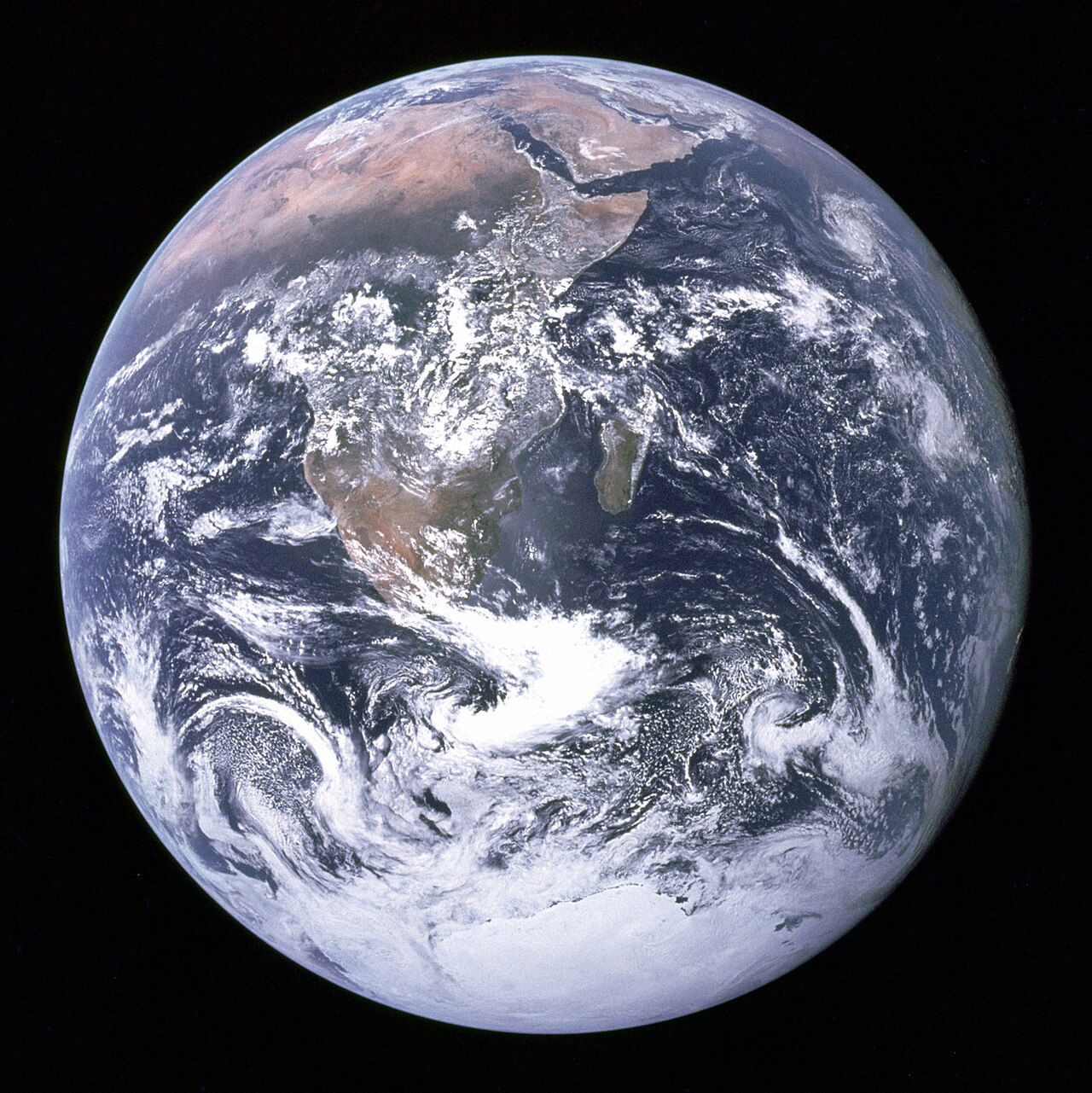
Still images are from NASA and ESA missions. Each caption names the mission and links to the source. Location is optional: refusing the browser prompt still lets you type coordinates. See the privacy policy.